Contents 2 min read
Important Note
This page is not medical advice. Although berberine's potential benefits are supported by research, it should not be used to treat any health problems. Consult a physician before use for diabetes or blood sugar management.
What is Berberine?
Berberine is a yellow-orange, bitter isoquinoline alkaloid. Barberry (Berberis vulgaris), goldenseal (Hydrastis canadensis), Chinese sarica (coptis chinensisIt is extracted from various plants such as ) and Oregon grape. It has been used in traditional Chinese and Ayurvedic medicine for thousands of years for infections, fevers and gastrointestinal diseases.
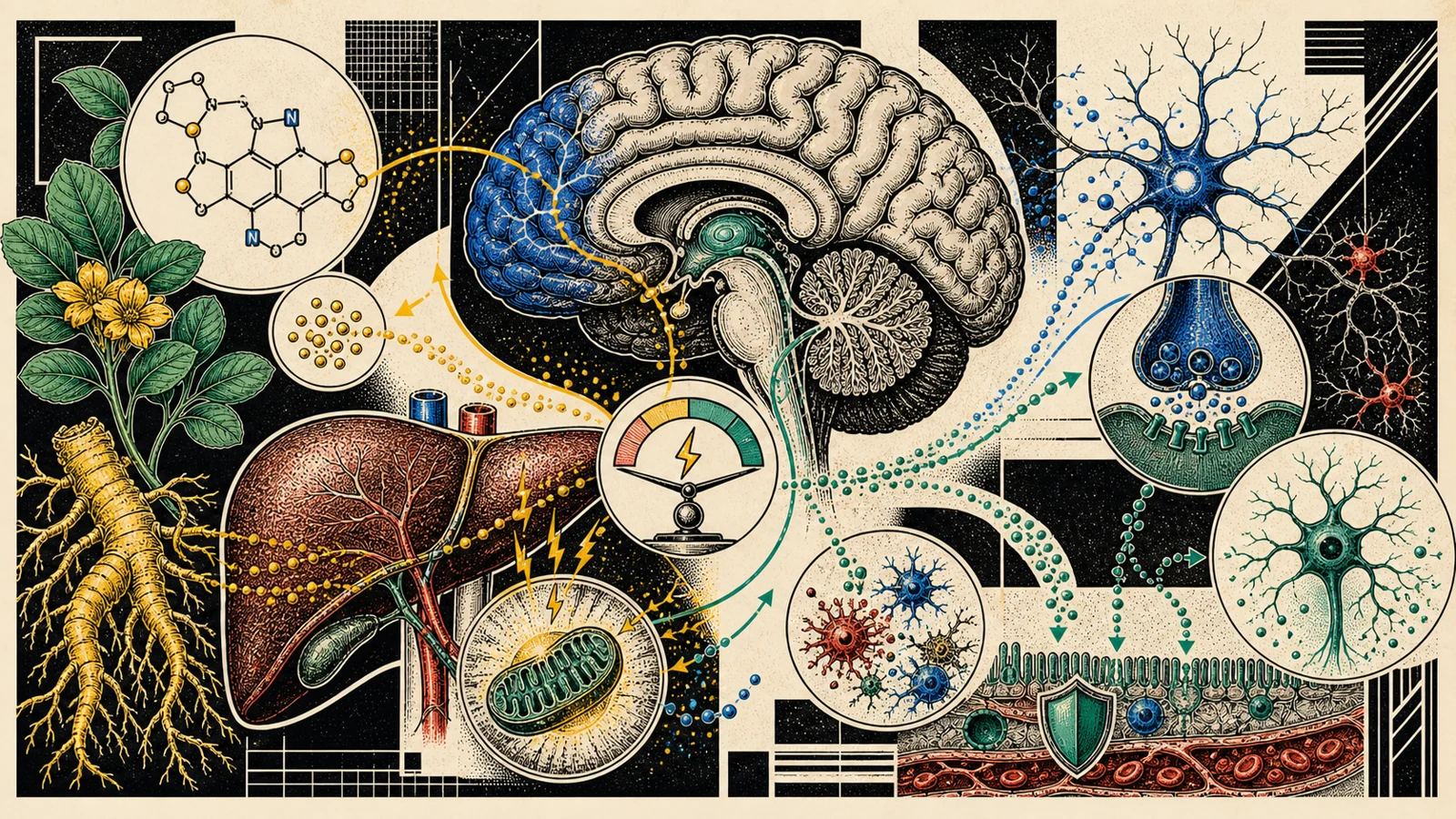
The main reason why Berber comes to the fore in modern research is its powerful AMPK (AMP-activated protein kinase) activator feature. AMPK functions as a cellular energy sensor and, when activated, regulates glucose metabolism, increases fat oxidation, and suppresses inflammatory pathways. This mechanism causes berberine to share functional similarities with metformin.
Mechanism of Effect

| mechanism | target | Cognitive/Health Outcome |
|---|---|---|
| AMPK activation | Mitochondrial biogenesis, glucose uptake | Brain energy metabolism support |
| NF-κB inhibition | Pro-inflammatory cytokines | Reduced neuroinflammation |
| BDNF increase | TrkB receptor signaling | Neuroplasticity and memory support |
| gut microbiome | Dysbiosis reduction | Cognitive support via the gut-brain axis |
| MAO inhibition | Monoamine degradation reduction | Mild antidepressive synergy |
Metabolic-Cognitive Connection
Berberine's cognitive benefits occur largely through metabolic mechanisms: Insulin resistance and metabolic syndrome are strongly associated with cognitive decline; Berberine indirectly supports brain health by reducing these risk factors. Direct neuroprotective effects – neuroinflammation reduction, BDNF increase and oxidative stress suppression – add to this indirect effect.
⚠ Bioavailability Limitation
Berberine has low oral bioavailability (less than 1%). Its passage through the blood-brain barrier is limited. Therefore, findings for direct neurotropic mechanisms largely come from animal studies or indirect clinical observations. More bioavailable forms (lipid-based, berberine HCl) are being investigated.
Dosage Protocol
| Intended Use | Dose | Timing |
|---|---|---|
| Metabolic/blood sugar support | 500 mg × 3/day | With food (to reduce glucose spike) |
| General health/cognitive support | 500 mg × 2/day | With breakfast and dinner |
| cyclic use | 8 weeks cure + 4 weeks break | To maintain AMPK sensitivity |
Safety and Drug Interactions
Berberine has demonstrated a good safety profile in short-to-medium-term studies. But it can interact with many medications:
- Diabetes medications (metformin, insulin): Risk of hypoglycemia, strong lowering of blood sugar, caution
- Anticoagulants (warfarin): May increase effect through CYP2C9 inhibition
- Cyclosporine: Drug levels may increase with CYP3A4 inhibition
- In pregnant and breastfeeding women: Insufficient safety data, should not be used
- GI upset (nausea, constipation, diarrhea) is the most common side effect at high doses.
Sources
- Yin J, et al. (2008). Efficacy of berberine in patients with type 2 diabetes mellitus. Metabolism, 57(5), 712–717. PubMed · PMID 18442638
- Zhang H, et al. (2010). Berberine lowers blood glucose in type 2 diabetes mellitus patients through increasing insulin receptor expression. Metabolism, 59(2), 285–292. PubMed · PMID 19800084
- Zhu X, et al. (2014). Neuroprotective effect of berberine against hippocampus neuronal apoptosis in rat model. Phytomedicine. Search PubMed (match unverified)
- Fan J, et al. (2019). Berberine alleviates ox-LDL induced inflammatory factors by up-regulation of autophagy. European Journal of Pharmacology. Search PubMed (match unverified)
Link verification checks the identity of the publication; it does not constitute independent expert review of clinical claims. Our evidence and source methodology · Source directory
Frequently Asked Questions
Berberine regulates blood sugar and insulin resistance through AMPK activation. It reduces neuroinflammation, supports BDNF synthesis, and contributes to the gut-brain axis through the gut microbiome. It also indirectly links metabolic health to cognitive performance.
There are overlaps in terms of functional mechanism: both activate AMPK, regulate glucose metabolism, and affect mitochondrial function. However, its pharmacokinetics and safety profile are different. Berberine is available without a prescription, while metformin is an approved drug for the treatment of diabetes; They should not be substituted for each other.
No, or it should be used with extreme caution. Berberine strongly lowers blood sugar; Its combination with diabetes medications carries a risk of serious hypoglycemia. If you are using any antidiabetic medication, be sure to consult your doctor.
Animal studies and some human data suggest that berberine may reduce neuroinflammation, increase BDNF, and support cognitive health through metabolic mechanisms. However, its passage through the blood-brain barrier is limited; Clinical evidence for direct neurotropic mechanisms is not yet strong.


