Contents 4 dk okuma
Information
This content is for educational and informational purposes only; It does not constitute medical advice. Consult a healthcare professional before starting any supplement.
What is Neuroplasticity?
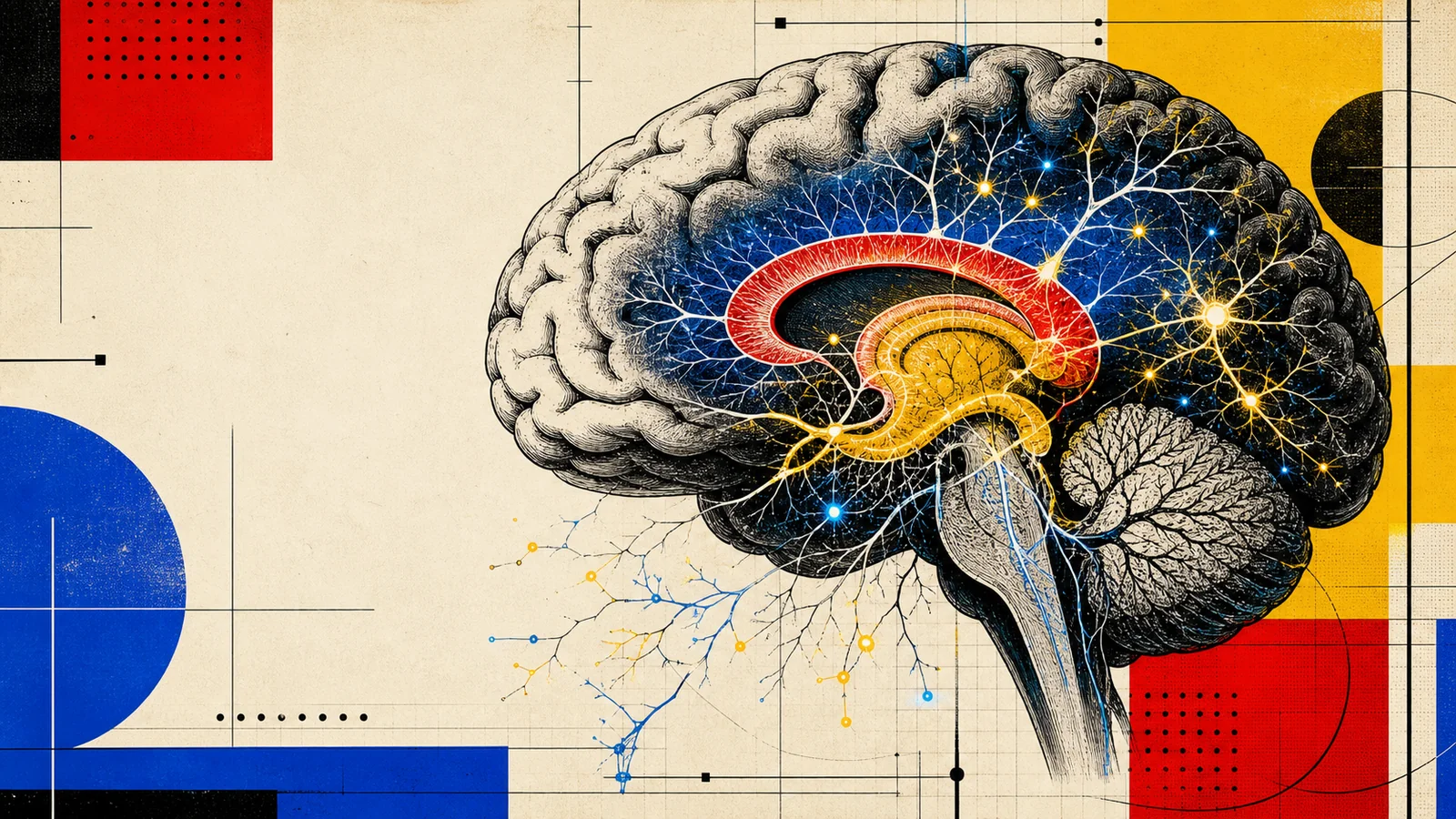
neuroplasticityis the ability of the brain to change its structure and function in response to experience, learning, and damage throughout life. Until the mid-20th century, science believed that the adult brain was "fixed." Today, we know that the brain can establish new connections until the last breath and even produce new neurons (neurogenesis) in certain regions.
Plasticity occurs at two basic levels: structural plasticity (formation of new synapses and dendritic spines) and functional plasticity (increase or decrease in the strength of existing synapses). Both are governed by the Hebbian principle of learning, summarized as “Neurons that fire together wire together.”
Synaptic Plasticity and LTP
Cellular basis of learning is synaptic plasticity. The best studied form of this is Long-Term Strengthening (Long-Term Potentiation, LTP): when two neurons are repeatedly activated together, the synaptic connection between them is permanently strengthened.
Molecular switch of LTP NMDA and AMPA receptors. When a strong enough stimulus arrives, NMDA receptors open, calcium enters the cell and initiates a signaling chain. This chain places more AMPA receptors on the synapse surface; As a result, the synapse responds more strongly to the same stimulus. the opposite of this Long Term Weight Loss (LTD) allows the brain to "prune" by weakening unused connections.

BDNF and NGF: The Fuel of Plasticity
neuroplasticity, neurotrophic factors It cannot happen without the family of proteins called. These act as molecular “fertilizer” that governs the survival, growth, and interconnection of neurons.
| factor | expansion | Major Role |
|---|---|---|
| BDNF | Brain-Derived Neurotrophic Factor | Synaptic strengthening, LTP, hippocampal neurogenesis, memory consolidation |
| NGF | Nerve Growth Factor | Protection of cholinergic neurons, axon growth, nerve repair |
| GDNF | Glial-Derived Neurotrophic Factor | Protection of dopaminergic neurons |
| VEGF | Vascular Endothelial Growth Factor | New blood vessel formation in the brain (angiogenesis) |
BDNF is the most researched of these factors and is often referred to as "Miracle-Gro for the brain." Regular aerobic exercise, quality sleep, intermittent fasting and certain foods increase BDNF levels naturally. NGF It is especially indispensable for the health of the cholinergic system (acetylcholine neurons critical for memory and learning).
Lifestyle: The Foundation of Plasticity
No supplement can replace basic life habits that support plasticity. Nootropics only make a meaningful contribution if this foundation is solid:
- Aerobic exercise: It is the intervention that most powerfully and most safely increases BDNF.
- Deep sleep: What is learned during the day is consolidated during sleep; Synaptic pruning occurs during sleep.
- New learning: A new language, instrument or skill directly triggers plasticity.
- Stress management: Chronic cortisol elevation shrinks the hippocampus and suppresses BDNF.
Nootropics That Support Plasticity
Some nootropics have research evidence that they support neurotrophic factor production or synaptic mechanisms. The three most prominent are:
| nootropic | Effect on Plasticity | Level of Evidence |
|---|---|---|
| Lion's Mane | Hericenone and erinacine compounds stimulate NGF (and indirectly BDNF) synthesis | Medium to small clinical studies |
| Bacopa Monnieri | Bacocytes support dendritic branching and synaptic communication, enhance memory consolidation | Strong – many RCTs |
| Magnesium L-Threonate | Improves NMDA receptor function and synaptic density by increasing brain magnesium levels | Middle – animal + early human studies |
⚠ Realistic Expectations
The effect of nootropics on plasticity occurs gradually, over weeks; Dramatic change should not be expected with a single dose. Most human studies have small samples and effects vary from individual to individual. Supplements do not replace the basic lifestyle, they complement it.
Practical Implications
For those looking to maximize plasticity, a layered approach makes the most sense: first build the foundation of exercise, sleep, and continuous learning; then reinforce this foundation with select nootropics that support BDNF and NGF. Patience is key – brain rewiring is a marathon, not a sprint.
Sources
- Lu B, Nagappan G, Lu Y. (2014). BDNF and synaptic plasticity, cognitive function, and dysfunction. Handbook of Experimental Pharmacology, 220, 223–250. Search PubMed (match unverified)
- Bliss TVP, Collingridge GL. (1993). A synaptic model of memory: long-term potentiation in the hippocampus. Nature, 361, 31–39. Search PubMed (match unverified)
- Mori K, et al. (2009). Improving effects of Hericium erinaceus on mild cognitive impairment. Phytotherapy Research, 23(3), 367–372. Search PubMed (match unverified)
- Slutsky I, et al. (2010). Enhancement of learning and memory by elevating brain magnesium. Neuron, 65(2), 165–177. PubMed · PMID 20152124
- Voss MW, et al. (2013). Bridging animal and human models of exercise-induced brain plasticity. Trends in Cognitive Sciences, 17(10), 525–544. PubMed · PMID 24029446
Link verification checks the identity of the publication; it does not constitute independent expert review of clinical claims. Our evidence and source methodology · Source directory
Frequently Asked Questions
Yes. The adult brain may undergo structural and functional changes throughout life. Neurogenesis continues in regions such as the hippocampus; Regular exercise, new learning and quality sleep support this process at all ages.
Regular aerobic exercise is the intervention with the strongest scientific evidence for increasing BDNF production. In addition, quality sleep, intermittent fasting and mentally challenging activities also positively affect BDNF levels.
Hericenone and erinacine compounds in Lion's Mane stimulate NGF (Nerve Growth Factor) synthesis. NGF supports the health of cholinergic neurons and the maintenance of synaptic connections. Effects usually become apparent after a few weeks of regular use.
Long-Term Potentiation (LTP) is the permanent strengthening of the synaptic connection between two neurons when you repeatedly activate them together. This mechanism is the basis for new knowledge and skills leaving a physical imprint on the brain; It is considered the cellular counterpart of memory formation.
The effects of nootropics that promote plasticity are generally cumulative rather than immediate. For supplements like Bacopa Monnieri, research shows that significant cognitive changes occur after 8 to 12 weeks of regular use. It is recommended to keep expectations from supplements limited without basic lifestyle habits.


